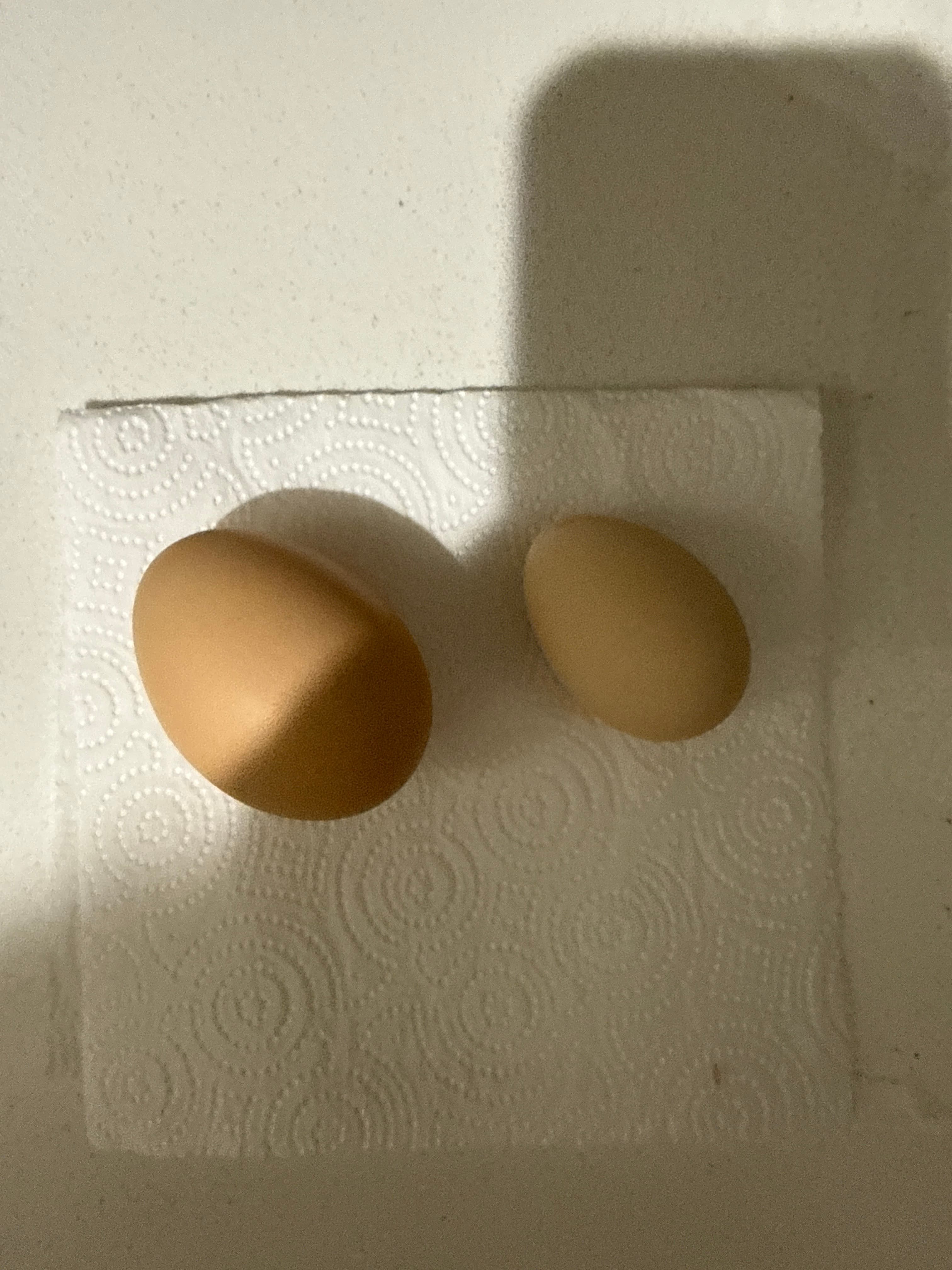
Chickens
New working girl
We have a new layer!
The ongoing view
Things I’ve noticed, made, visited, or learned, in the order they arrived.
We have a new layer!
It's always amazing to spend time with the Spanish family.
Athens was like a grungy Mexico City. It was amazing.
This trip was short and to the point, but it was amazing!
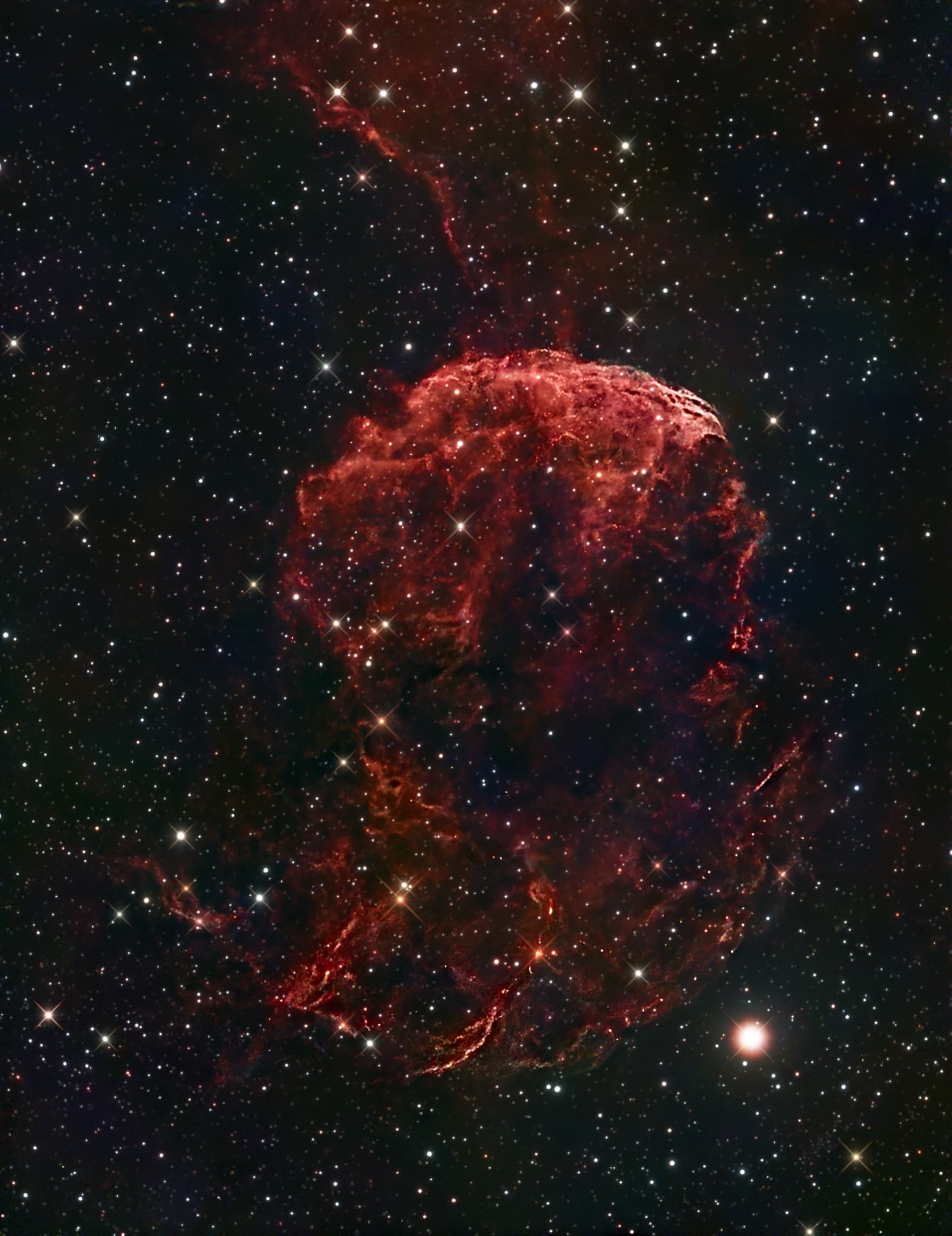
IC 443 is a supernova remnant in the constellation Gemini, located about 5,000 light-years from Earth. The expanding shell of gas and dust was created by a stellar explosion that occurred roughly 30,000 years ago. Its delicate filamentary structure and distinctive jellyfish-like appearance are particularly prominent in this red hydrogen-alpha emission, showing where the blast wave continues to plow through interstellar gas.
Continue →
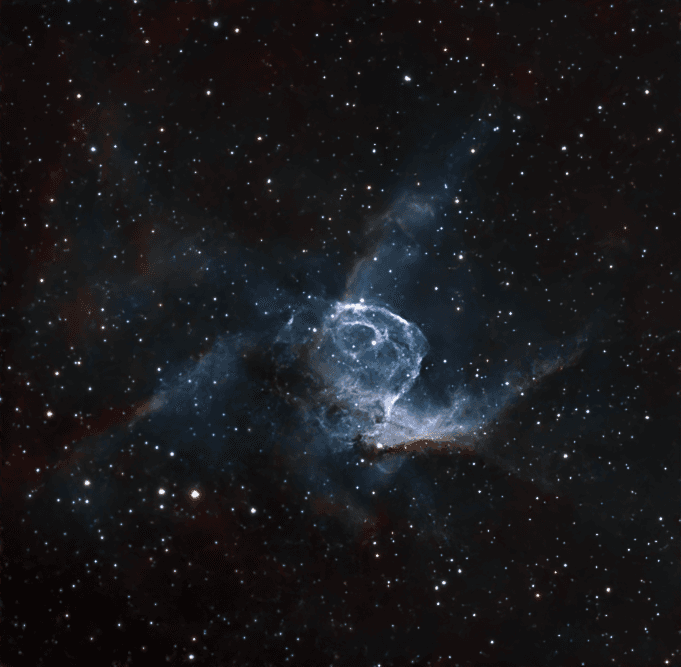
NGC 2359, known as Thor's Helmet, is an emission nebula located about 15,000 light-years away in the constellation Canis Major. The nebula gets its nickname from its distinctive shape, resembling a winged helmet from Norse mythology. The bubble-like structure is carved out by powerful stellar winds from an extremely hot Wolf-Rayet star at its center, which is rapidly shedding its outer layers as it nears the end of its life.
Continue →
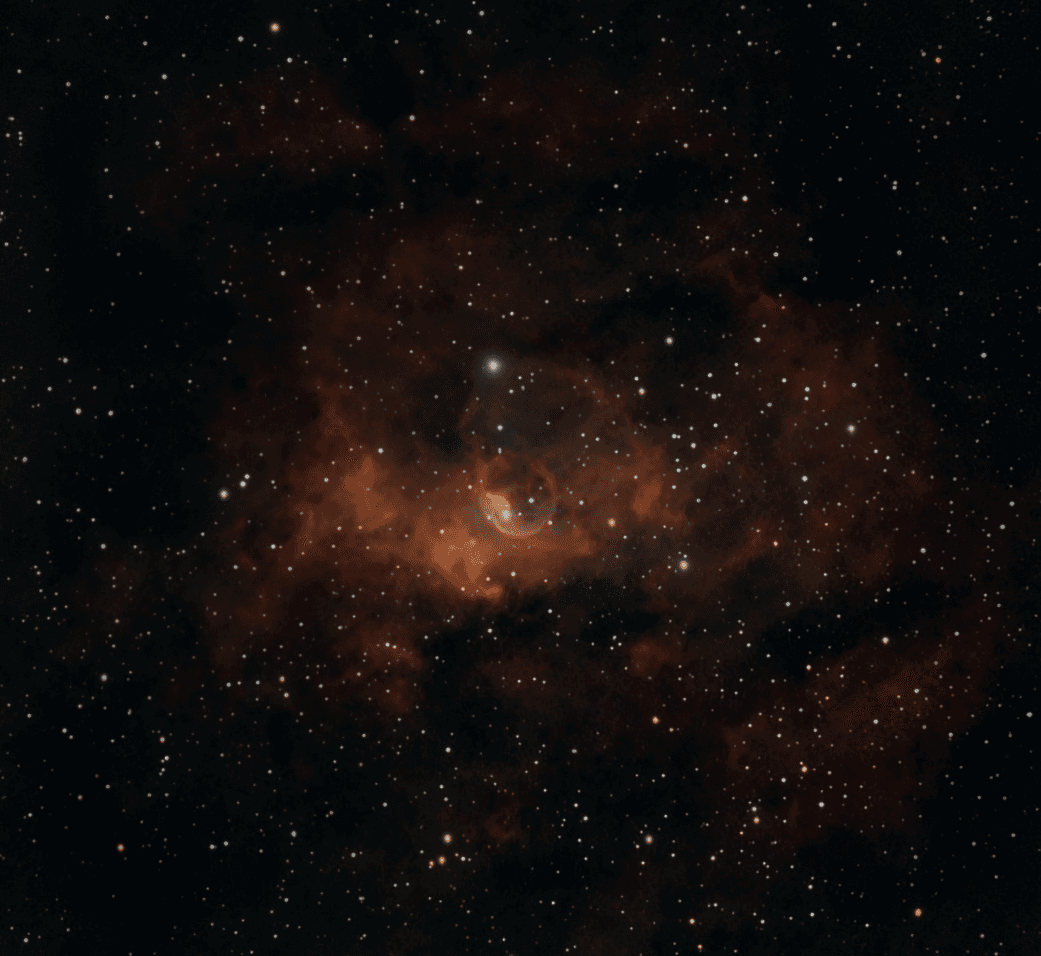
The Bubble Nebula is an emission nebula located about 7,100 light-years away in Cassiopeia. It gets its name from the distinctive bubble-like structure created by the powerful stellar wind from a hot, massive star (BD+60°2522) pushing against surrounding gas and dust. The nebula glows in reddish hues from excited hydrogen gas, while darker dust lanes create dramatic contrast throughout the complex.
Continue →
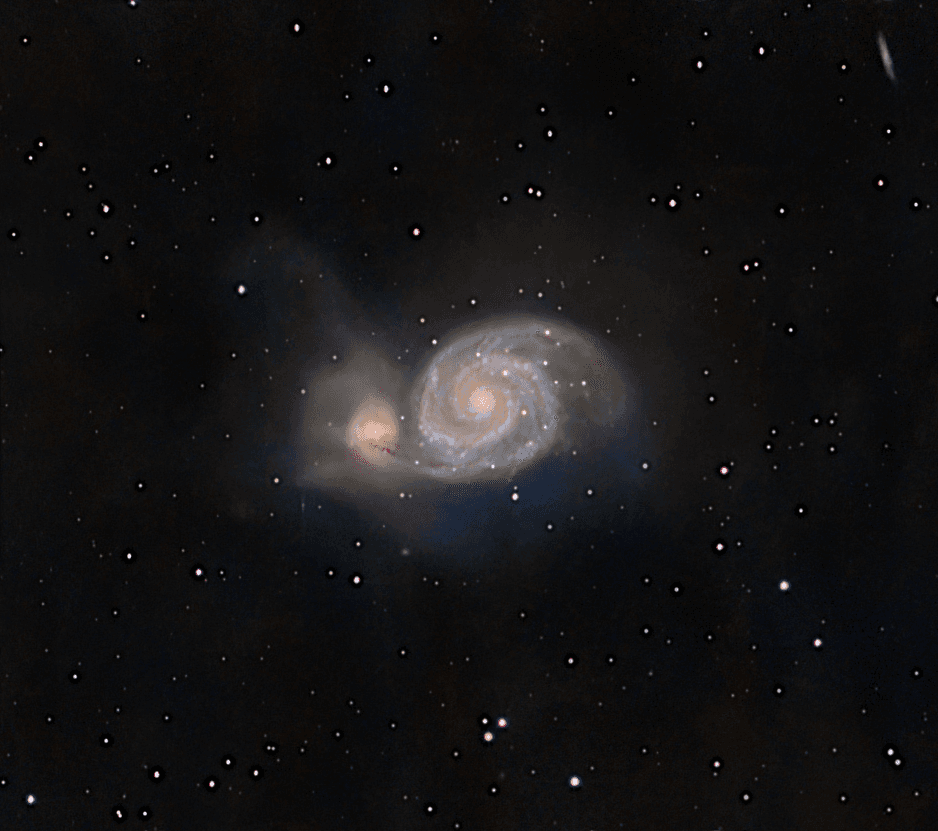
The Whirlpool Galaxy is a grand-design spiral galaxy located about 23 million light-years away. It's actually a pair of galaxies in interaction, with the smaller companion NGC 5195 visible on the left, gravitationally pulling on the larger spiral. The well-defined spiral arms and face-on orientation make this one of the most photographed deep-sky objects in the night sky.
Continue →
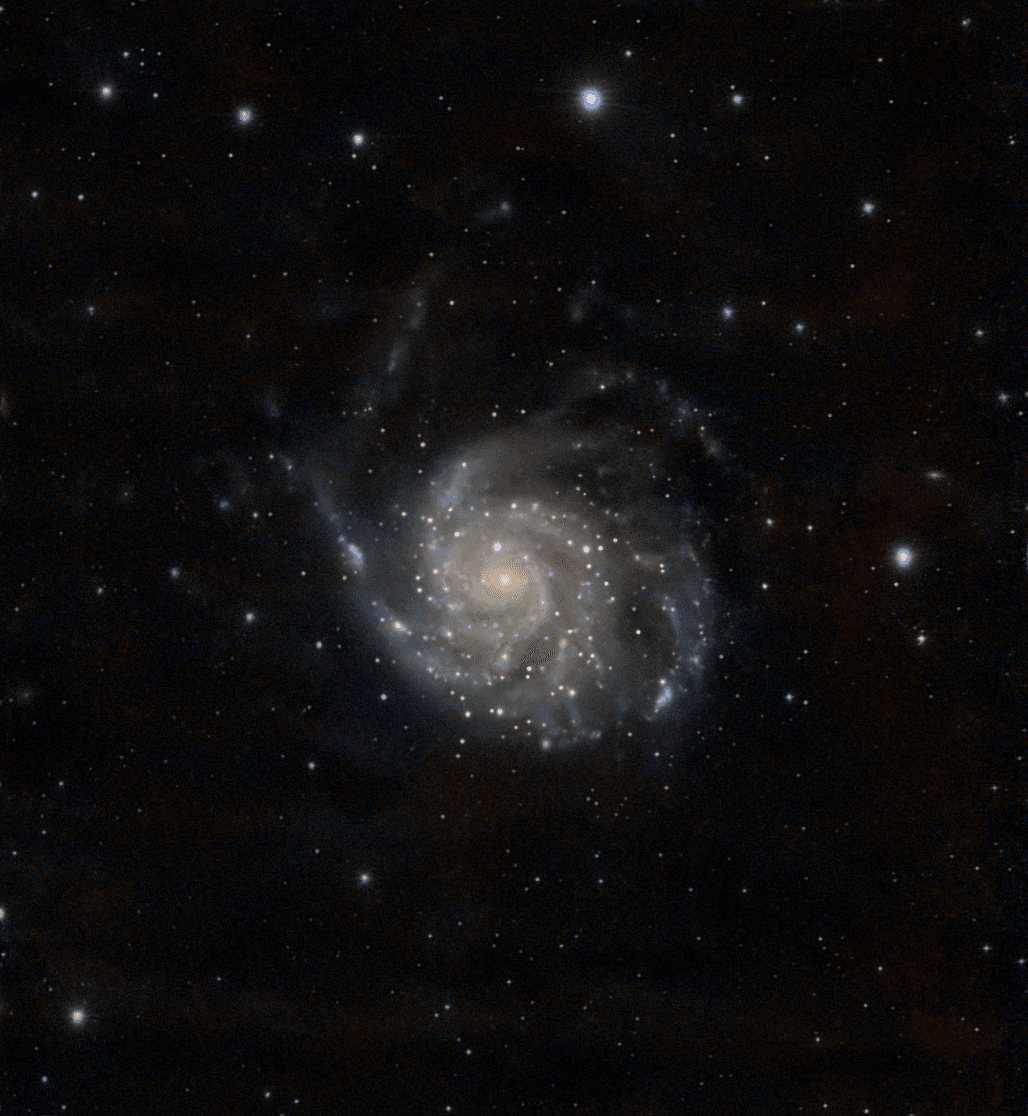
M101 is a face-on spiral galaxy located about 21 million light-years away in Ursa Major. Its graceful spiral arms are studded with bright star-forming regions and extend across a diameter nearly twice that of our Milky Way. The galaxy's asymmetric structure, with arms appearing more developed on one side, likely results from gravitational interactions with smaller companion galaxies.
Continue →
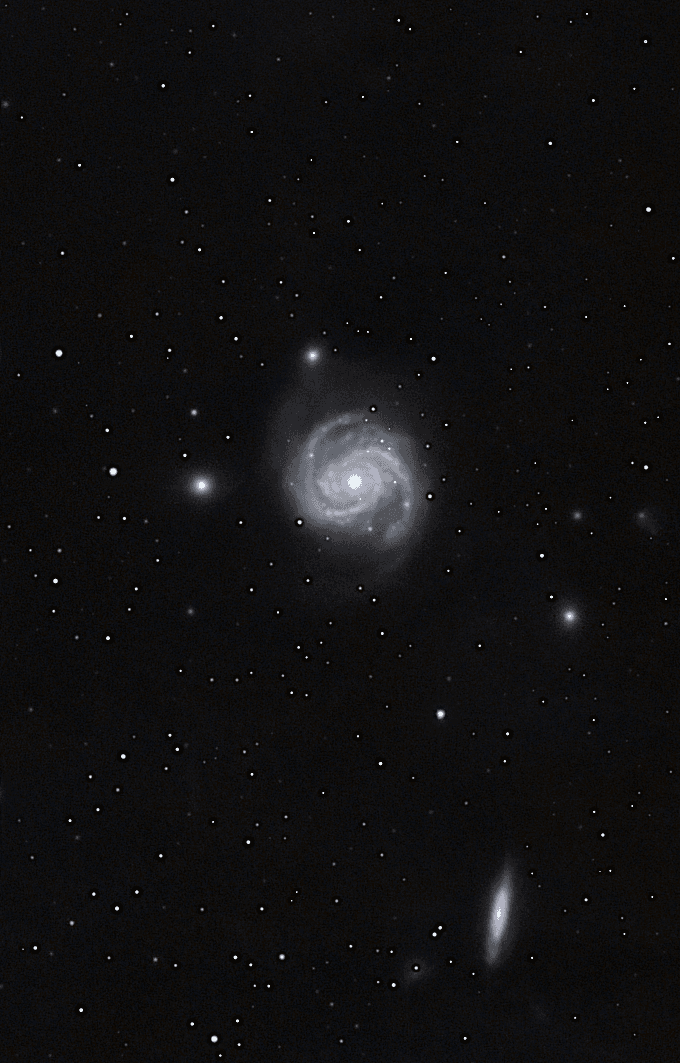
M100 is a grand design spiral galaxy located approximately 55 million light-years away in the Coma Berenices constellation. Its well-defined spiral arms wind elegantly outward from a bright central core, making it one of the brightest members of the Virgo Cluster of galaxies. The image also captures a smaller edge-on galaxy in the lower portion of the frame, along with several other background galaxies visible as faint smudges throughout the field.
Continue →

One view from somewhere along the way.
Continue →

One view from somewhere along the way.
Continue →

One view from somewhere along the way.
Continue →
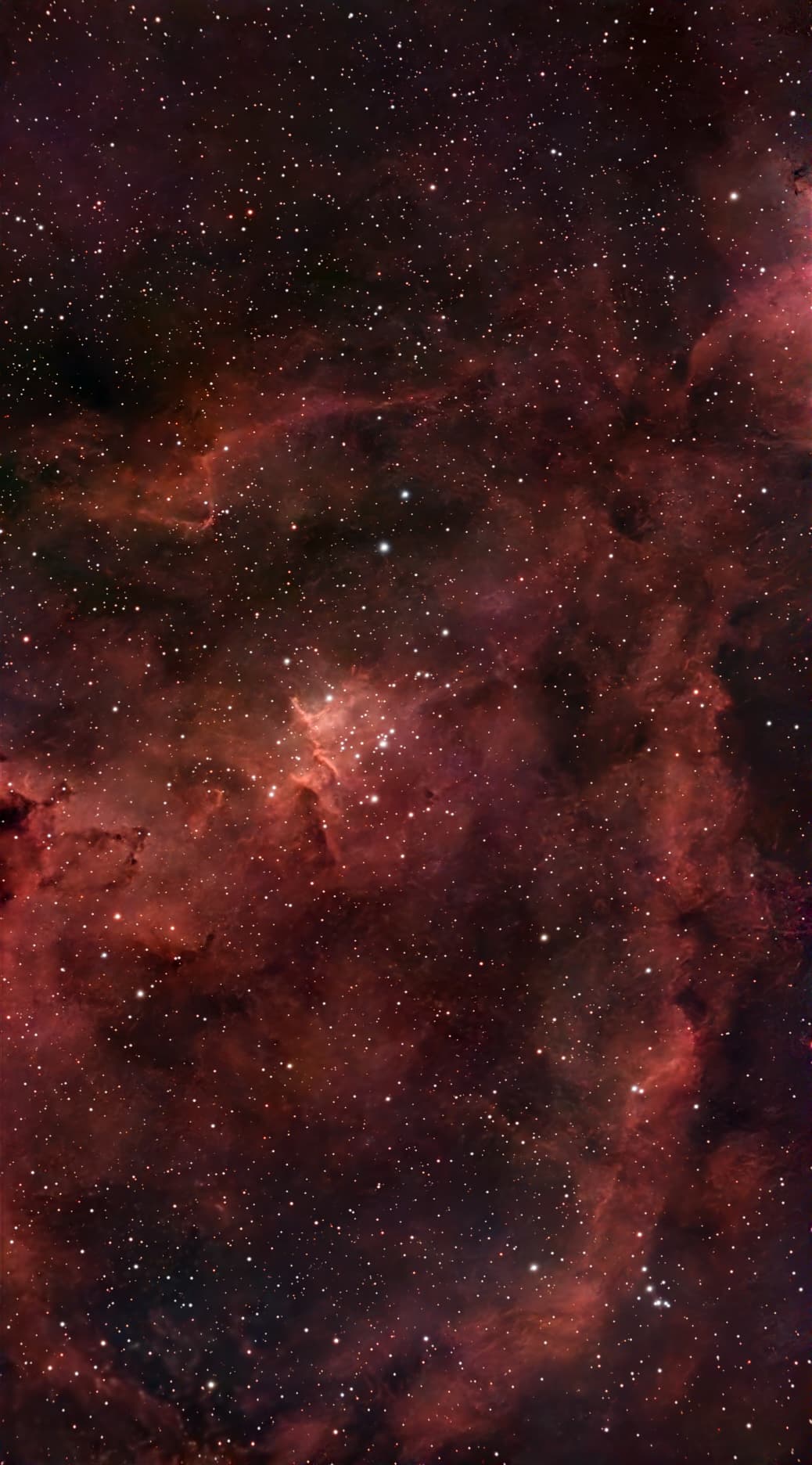
The Heart Nebula is an emission nebula located about 7,500 light-years away in the constellation Cassiopeia. This vast cloud of glowing hydrogen gas spans roughly 200 light-years across and gets its energy from a cluster of young, hot stars at its center. The intricate wisps and pillars of gas create a dramatic landscape of star formation, with dark dust lanes carving through the brighter red regions.
Continue →